Welcome to the latest
edition of Empowered Equitation Newsletter! I hope you and your horses are enjoying the long, light evenings and drier days even if the British summer weather keeps us on our toes! It’s been a busy few months here—between coaching sessions, horse training and gait analysis appointments, I’ve been reminded again and again how important biomechanics is for horse and rider training. Whether you’re working on a new dressage movement or just hacking out, understanding the science of movement can make
a big difference to your horse. The Role of Biomechanics in Horse TrainingLet’s talk biomechanics. It’s a word you’ve probably heard tossed around in training circles (and in these newsletters!), but what does it really mean for everyday horse training? In simple terms, biomechanics is the study of how living things move. For us equestrians, it’s the science that helps us understand how our horses’ bodies (and our
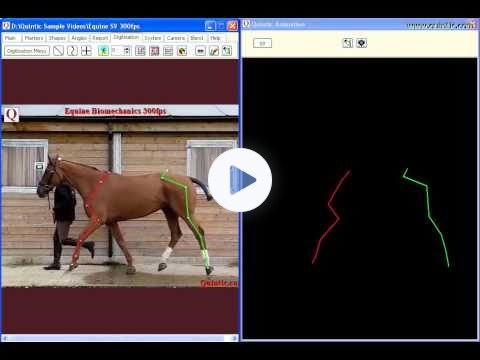
bodies too!) work—how muscles, bones, and joints interact to create movement. The video below is a nice example of slow motion analysis of the horse's limbs during trot.
Why Biomechanics MattersWhen we pay attention to biomechanics in our training, we’re not just following a trend—we’re making informed decisions that benefit our horses’ health, performance, and happiness. - Injury prevention: By understanding the demands of the different movements on the
horse's body, we can ensure that we don't overload the horse and that we condition them for the task(s) they are expected to do (be it jumping or a long gallop on a hack).
- Targeted training: Knowing which muscles are engaged during different exercises lets you tailor your schooling sessions for maximum benefit. Are you aiming to build core strength? Polework exercises are perfect for that. Are you trying to target back mobility? Walk is the best gait for this.
- Improved rider ability: When you understand the mechanics behind how to move in the saddle, you can become a much better 'baggage' 😉 for your horse to carry as you will move more in sync with your horse and execute aids more clearly. This leads to a happier partnership all around.
Fascinating, right? If you would like to dig deeper, I’ve written a series of blog posts exploring the biomechanics of walk, trot, and canter, as well as the
science behind polework where you’ll find practical tips and research-based explanations for each gait.
If you prefer listening to podcasts, you can check out the episode
of the Sports Horse Series below - I was invited to talk about how biomechanics research can inform coaching practice and training of horses. They also have lots of other cool episodes so make sure you check them out.
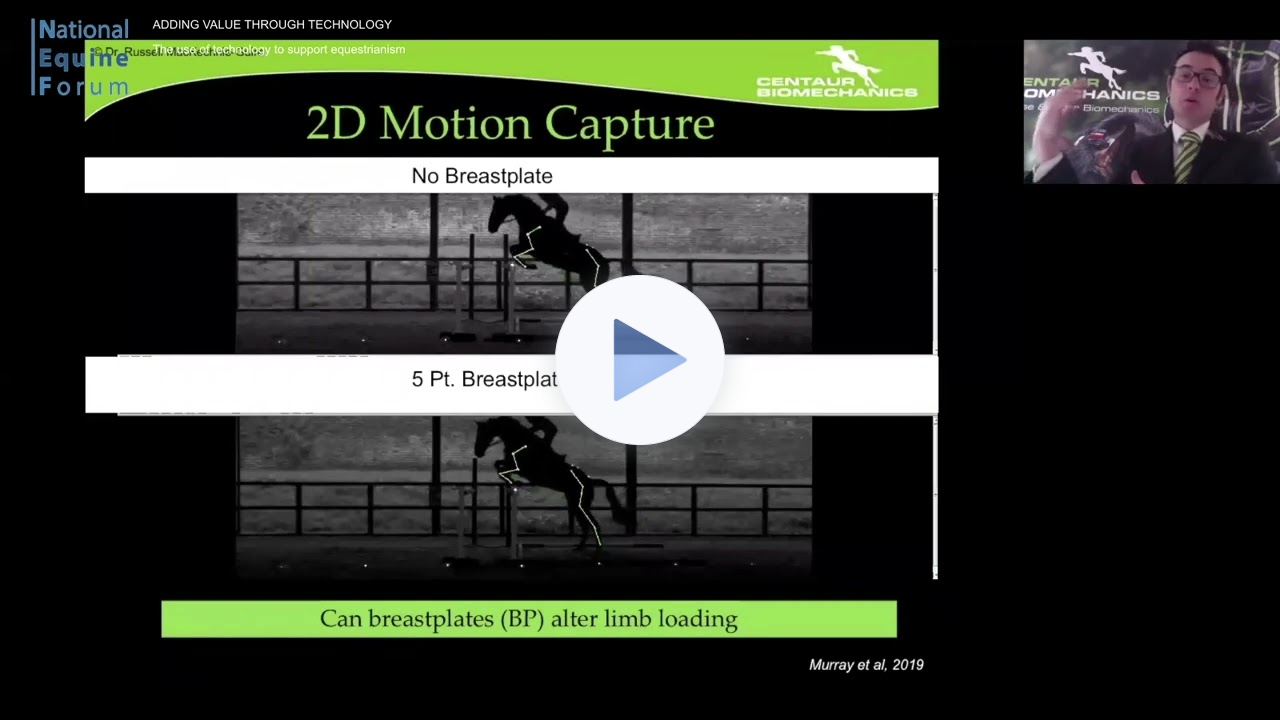
And if videos are your 'go to' for acquiring new knowledge, here is a short presentation from Centaur Biomechanics which gives a brief overview of application of biomechanics in equestrian sports 🐴
|
How I Can Help: Coaching and Gait AnalysisIf you’d like a more tailored approach to improving your horse’s training, my personalised coaching sessions are designed to help you understand and apply biomechanics in a way
that makes sense for you and your horse. For those who want an objective assessment, equine gait analysis can highlight strengths and areas for improvement—whether you’re working towards a specific goal or just want to keep your horse feeling their best. I am now based in Bedfordshire but I travel to neighbouring counties regularly. Get in touch to
book a session 👇
As always, I’d love to hear your questions or feedback—just reply to this email or send me a message on social media 👍 Until next time! Eva
|
Like, follow or subscribe!
(it genuinely makes my day)
|
|
|