First of all, thank you so much for subscribing to
keep up with the latest updates from Empowered Equitation. Feel free to share this newsletter with your friends!
I don't know about you but this year has flown by! After submitting the final version of my PhD thesis early this year, I could celebrate the end of my PhD journey at The Royal Veterinary College with my family while we all attended a graduation ceremony in July. So I am officially a doctor now 🥳
This means that I have had more time for updating my blog so you might have noticed a few more equine biomechanics related posts on my blog and social media. You might wonder why I am so passionate about equine biomechanics... And, no, it's not just because 'biomechanics' became a fashionable buzzword in the equestrian
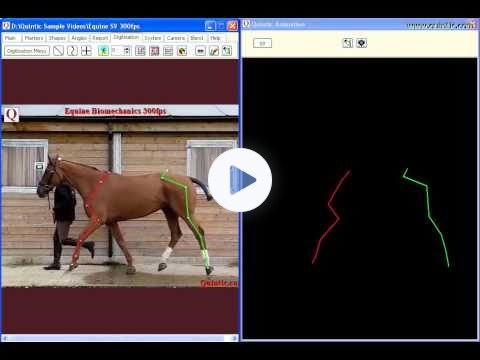
world 😉 Firstly, let's untangle what this terms actually means. Biomechanics studies the movement of living organism. It analyses movement of bodies and the forces behind the movement. The video below is a nice example of slow motion analysis of the horse's joint angles during trot.
So
why should we care about biomechanics? Because it can help us understand the benefits of different movements or exercises as well as any associated risks. This can, in turn, help us design better training programmes to help our or our horse's bodies perform better and to prevent injuries.
Let's look at some examples. The horse's back has the greatest range of motion (mobility) in the walk; therefore, if we are trying to improve the horse's
back mobility, we should incorporate lots of walking exercises. On the other hand, the horse's back is fairly stable in trot which is aided by abdominal and back muscles. So the trot can be used to target muscles that assist with trunk stability. Fascinating, right? 🤓 You can check out the entire equine biomechanics series below 👇
Polework can be a useful addition to your horse's training. Let's look at the benefits of polework through the lens of equine biomechanics.
If you prefer listening to podcasts,
you can check out this episode of the Sports Horse Series where I was invited to talk about how biomechanics research can inform coaching practice and training of horses. (P.S. They also have lots of other cool episodes so make sure you check them out.)
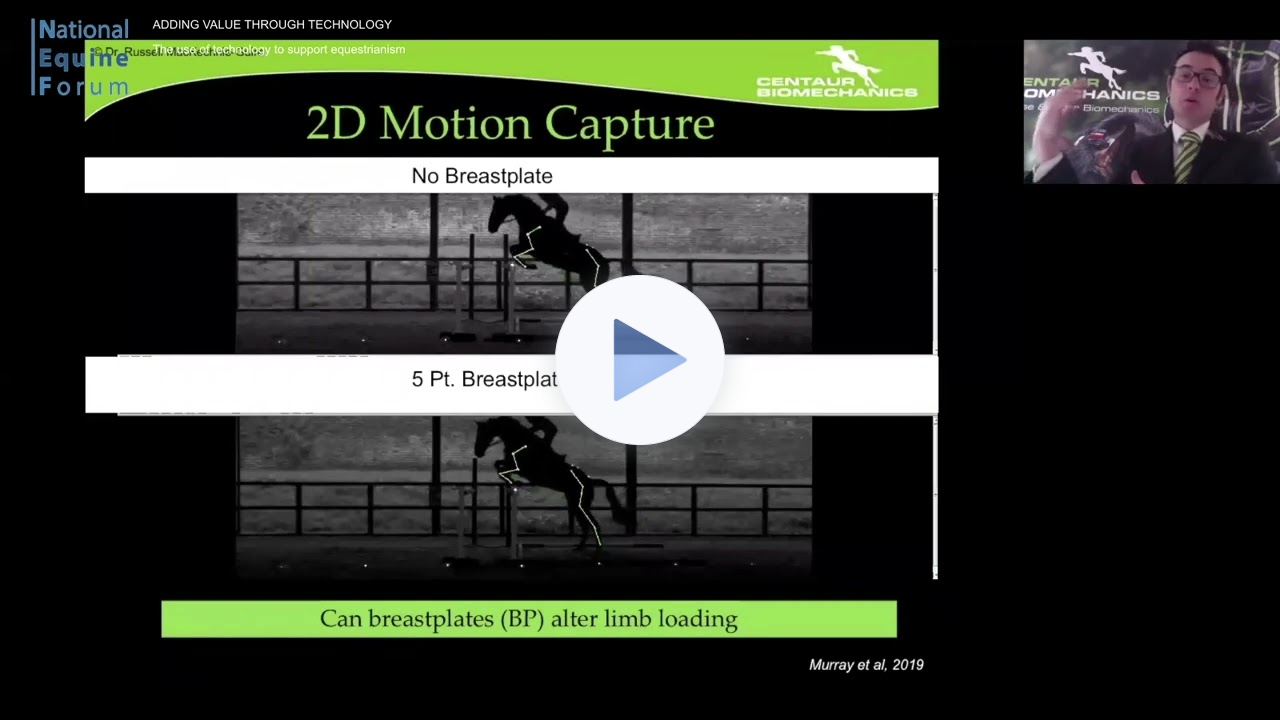
And if videos are your 'go to' for acquiring new knowledge, here is a short presentation from Centaur Biomechanics which gives a brief overview of application of biomechanics in equestrian sports 🐴
I hope you enjoyed this brief insight into the world of equine biomechanics and that you now have a better understanding of how biomechanics can be applied in the equestrian setting to inform our training practices and coaching.
I am always keen to hear what was helpful or what would like to see more of in future editions of the newsletter. Simply send me an email or message me on social media with your feedback and ideas 🙂
Eva
P.S. I have now relocated to Bedfordshire so I have some availability for coaching and gait analysis in central Bedfordshire and parts of Hertfordshire and Buckinghamshire.